Cover PayRam. Here's everything you need.
Logos in SVG and transparent PNG, ready-to-share banners, boilerplate in three lengths, the full company story, brand colors, founder bio, key stats, and a press contact — all on one page. If you need anything else for your story, drop us a line.
Boilerplate — three lengths.
Pick the length that fits your format. All three are approved for unmodified reproduction.
PayRam is a self-hosted crypto payment gateway that lets merchants and operators accept stablecoin and card payments on infrastructure they control. Funds settle directly to merchant-owned cold wallets via smart-contract sweeps — no PayRam account, no KYB, no third-party custody. A single instance can serve a single store or dozens of merchants, making it equally suited to individual businesses and payment-service operators. PayRam ships with an MCP server for AI-agent integration, a Visa/Mastercard card-to-crypto onramp, and native support for USDC, USDT, BTC, and ETH across Polygon, Base, Tron, Ethereum, and Bitcoin.
~100 words · press release lede, article intros
The deeper story. Quote any of it.
Why PayRam exists, in long form — the founding insight, the architecture, and the vision. Approved for reproduction, in full or in part.
PayRam exists because of a simple observation: money is where permission is enforced most brutally. A payment processor can close a merchant’s account with an email. It can hold a quarter of their revenue in a rolling reserve. It can decide what they are allowed to sell, share their customer data with partners, and report their activity to anyone it chooses. Most merchants accept this because there has never been an alternative that did not require becoming a cryptographer.

Siddharth Menon saw the problem from the inside. As co-founder of WazirX, one of India’s largest cryptocurrency exchanges (15 million users, acquired by Binance), he watched both sides of the permission economy: users locked out of their own funds, and platforms forced to enforce rules they did not write. The lesson was not that crypto needed better exchanges. It was that commerce needed infrastructure nobody could take away.

PayRam is that infrastructure: a payment gateway a merchant deploys on their own server in about ten minutes and owns outright. There is no PayRam account, because accounts are how money gets frozen. Funds settle wallet to wallet, and deposit keys never sit on the server: a family of smart contracts moves funds directly on-chain. What a store sells and who buys it stays on the merchant’s machine. Stablecoins come first, cards arrive via a card-to-crypto onramp, AI agents connect over MCP, and an operator mode turns one installation into a payments business serving dozens of merchants.

The company’s metric is deliberately unglamorous: installations. Not accounts, not custody under management. Every PayRam install is a business that can no longer be deplatformed, and that is the point. The vision is payments that are self-sovereign, and with it a small contribution to the freedom of money for the world.
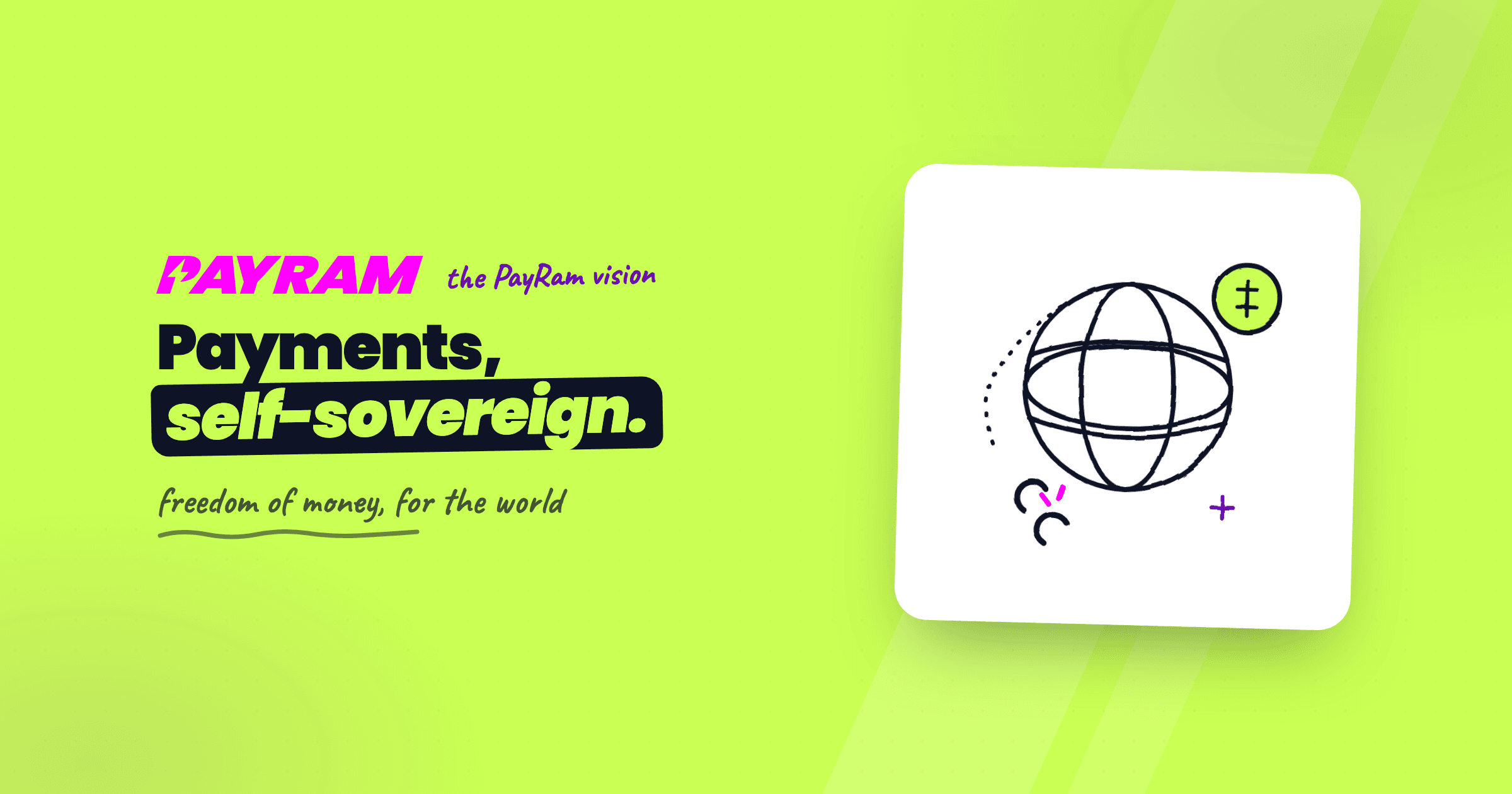
Make payments self-sovereign. Contribute to the freedom of money for the world.
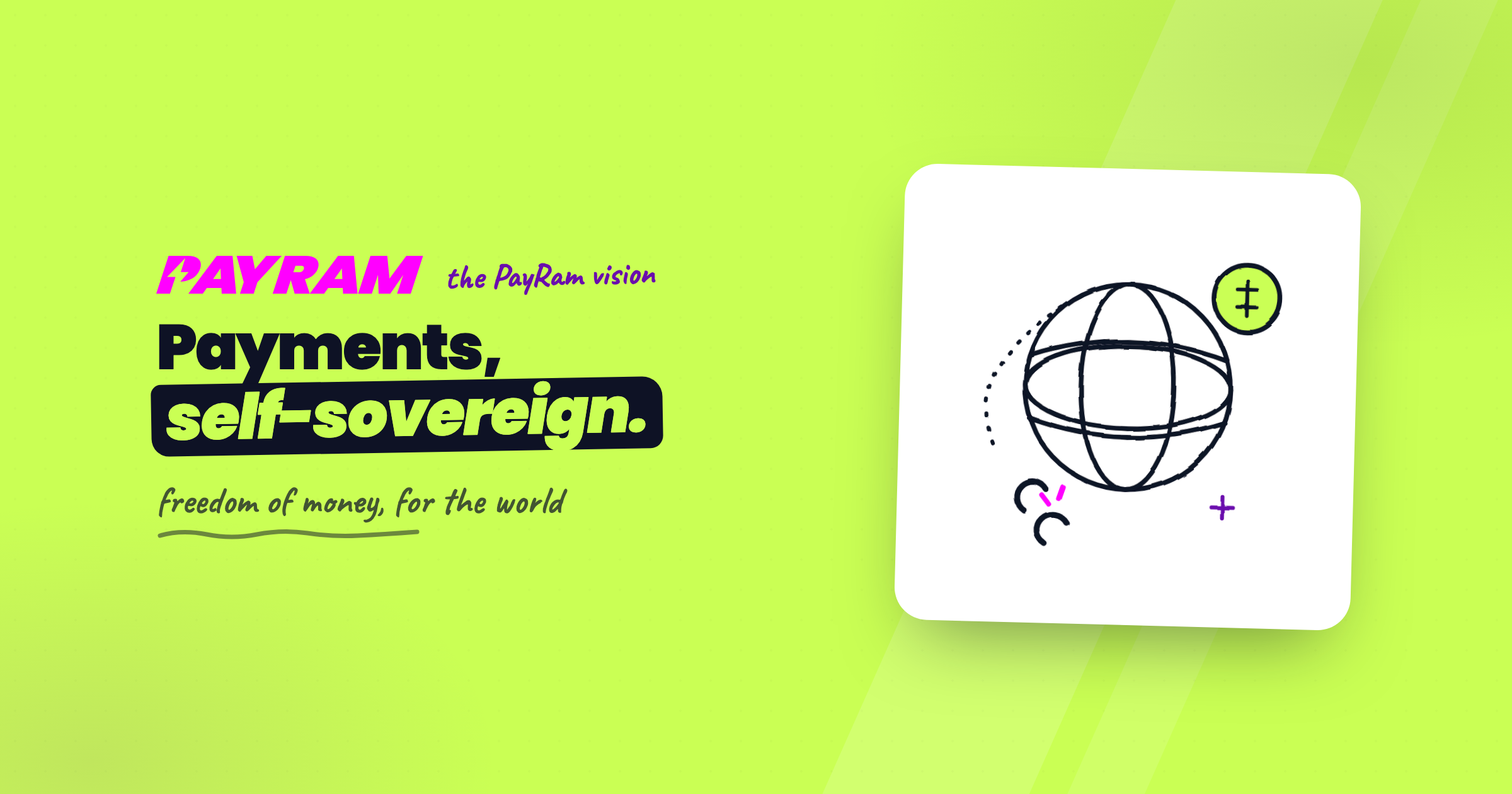
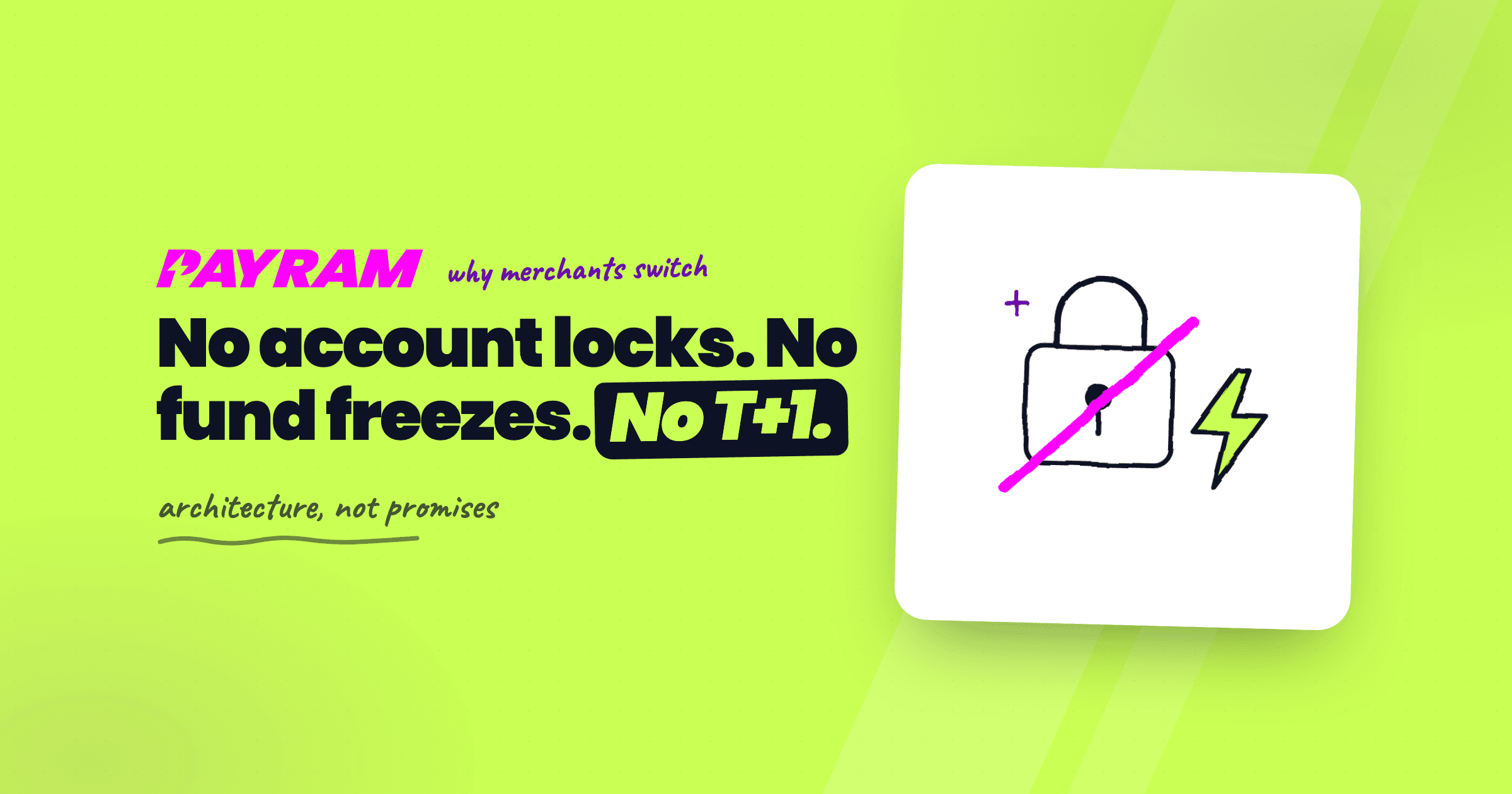
The only stablecoin payment gateway in the world that can be self-hosted — so every promise (no account locks, no fund freezes, no data sharing) is architecture, not policy.
PayRam exists because of a simple observation: money is where permission is enforced most brutally. A payment processor can close a merchant’s account with an email. It can hold a quarter of their revenue in a rolling reserve. It can decide what they are allowed to sell, share their customer data with partners, and report their activity to anyone it chooses. Most merchants accept this because there has never been an alternative that did not require becoming a cryptographer. Siddharth Menon saw the problem from the inside. As co-founder of WazirX, one of India’s largest cryptocurrency exchanges (15 million users, acquired by Binance), he watched both sides of the permission economy: users locked out of their own funds, and platforms forced to enforce rules they did not write. The lesson was not that crypto needed better exchanges. It was that commerce needed infrastructure nobody could take away. PayRam is that infrastructure: a payment gateway a merchant deploys on their own server in about ten minutes and owns outright. There is no PayRam account, because accounts are how money gets frozen. Funds settle wallet to wallet, and deposit keys never sit on the server: a family of smart contracts moves funds directly on-chain. What a store sells and who buys it stays on the merchant’s machine. Stablecoins come first, cards arrive via a card-to-crypto onramp, AI agents connect over MCP, and an operator mode turns one installation into a payments business serving dozens of merchants. The company’s metric is deliberately unglamorous: installations. Not accounts, not custody under management. Every PayRam install is a business that can no longer be deplatformed, and that is the point. The vision is payments that are self-sovereign, and with it a small contribution to the freedom of money for the world.
Key facts. Good as of today.
Every variant. SVG + transparent PNG.
Do not modify, re-color, or add effects to the marks. If your brand guidelines require a variant we haven't included, reach out — we may already have it on file.










Ready to share. Use them anywhere.
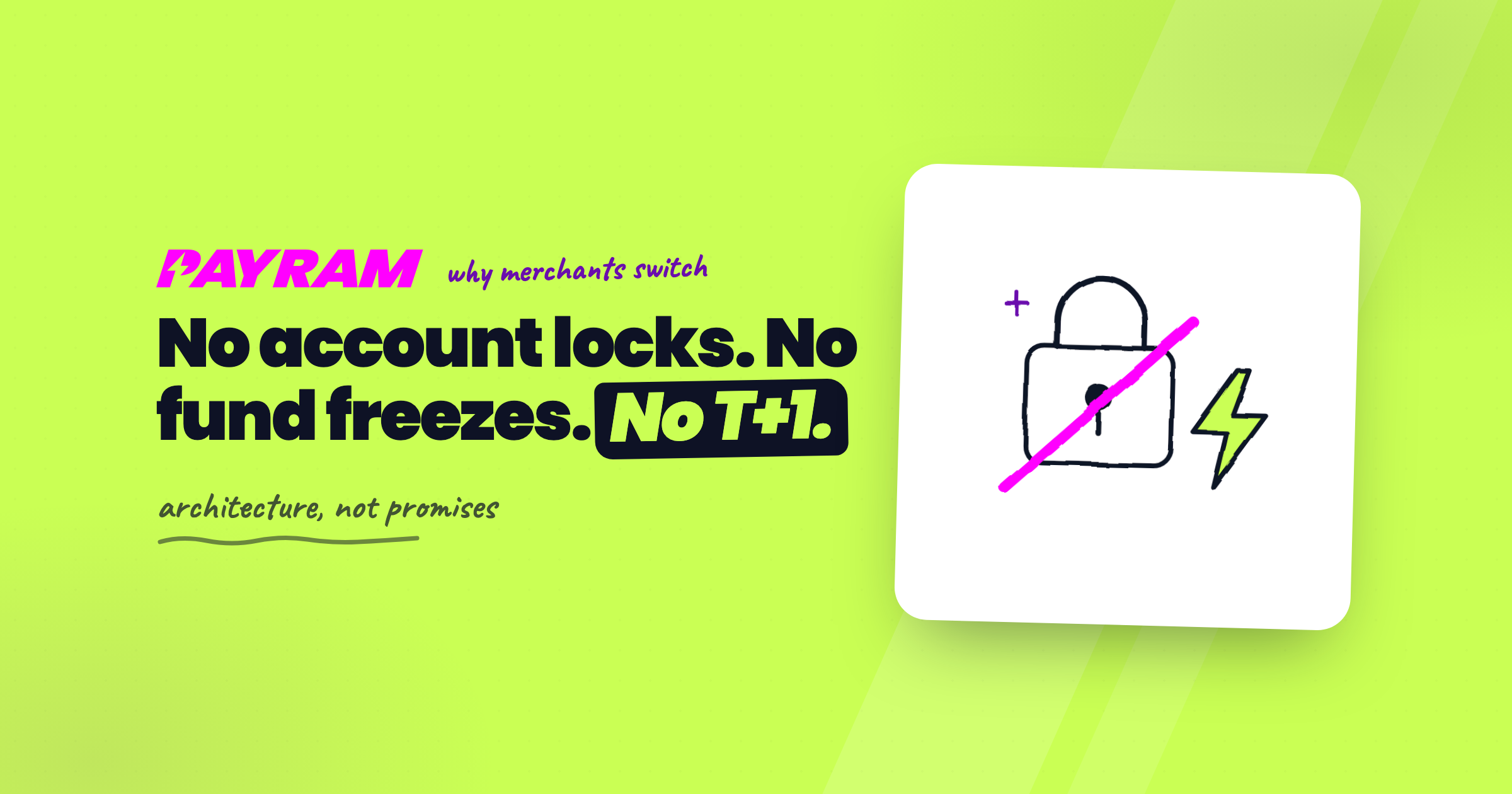
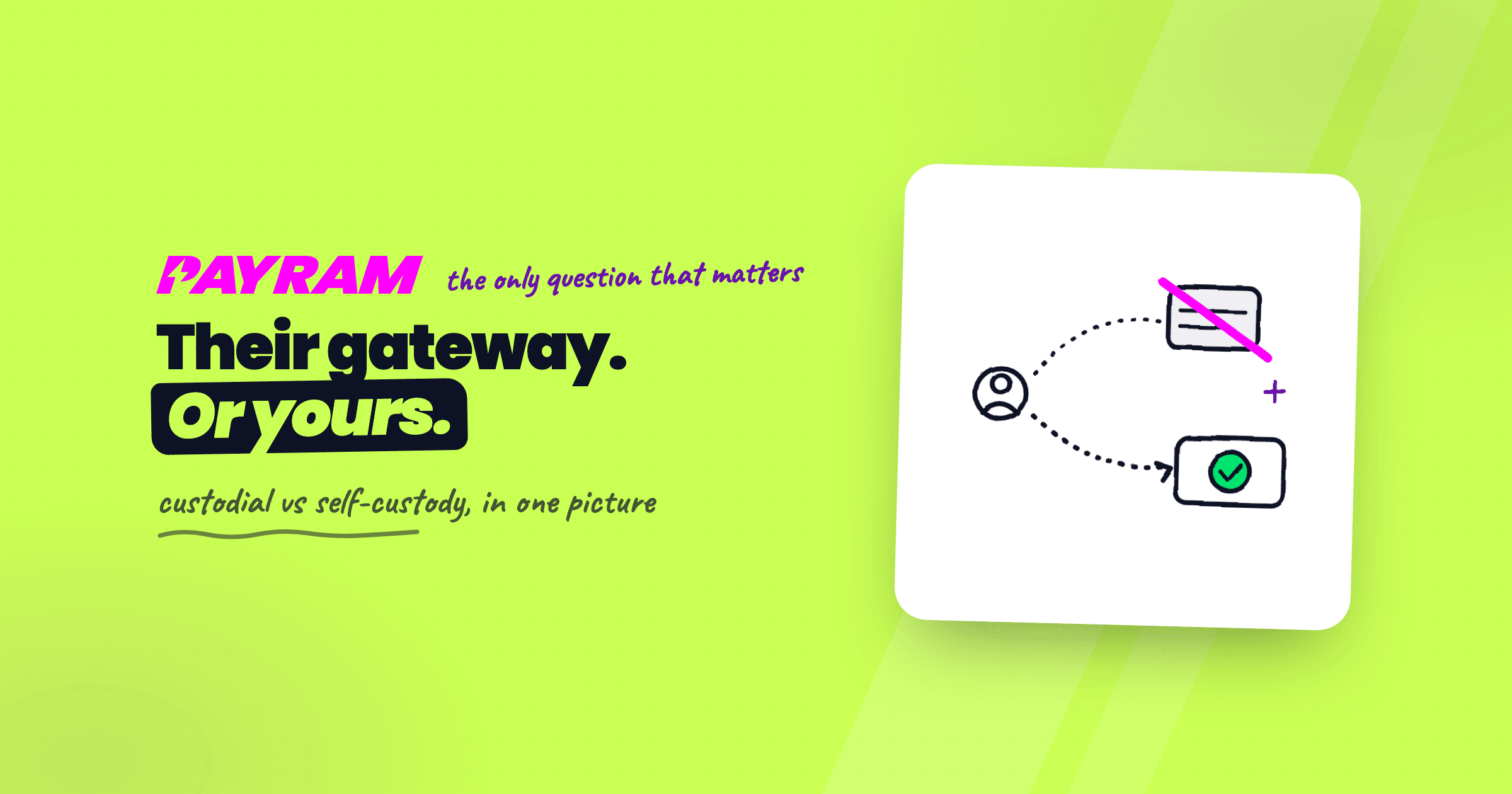
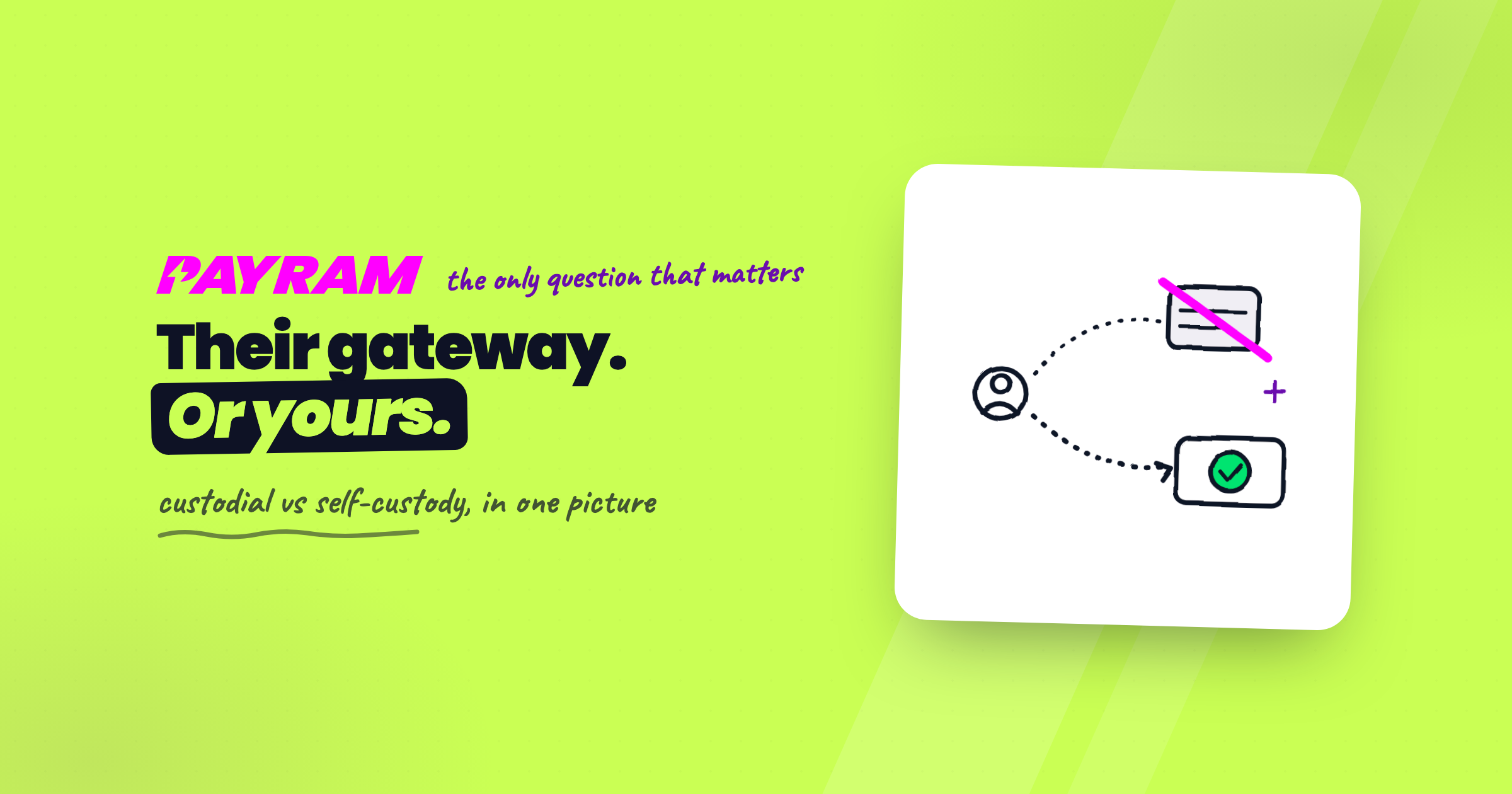
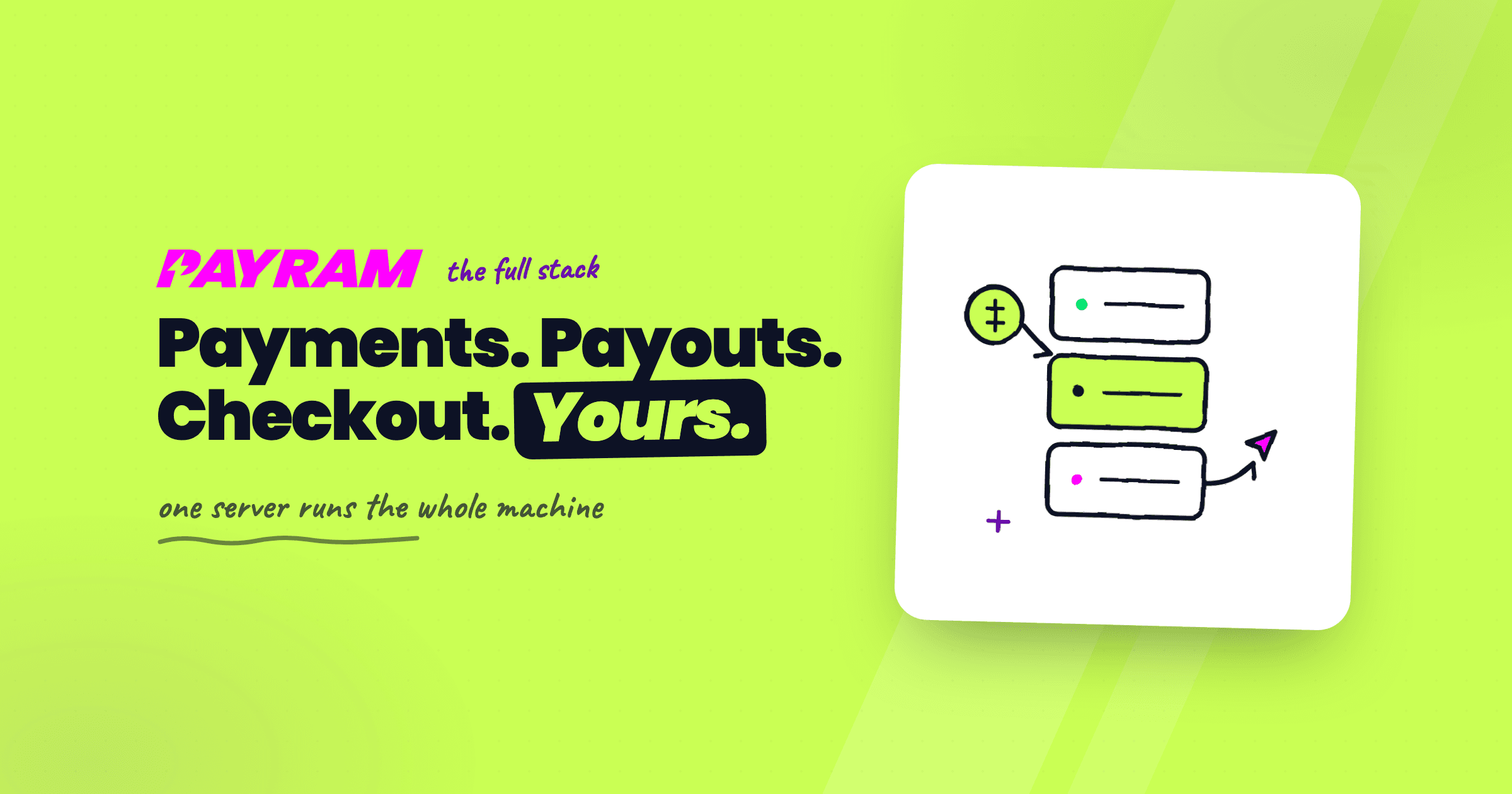
Six angles on what PayRam stands for — the vision, the promise, the comparison, the stack, operator mode, and WooCommerce. 1200×630, hand-drawn in the brand style. Free for press, affiliates, and partners. Don't alter the artwork.
Brand colors. Click to copy.
Siddharth Menon
Founder · PayRam
Siddharth Menon is the founder of PayRam and previously co-founded WazirX, one of India’s largest cryptocurrency exchanges, which was acquired by Binance in 2019 and grew to serve over 15 million users. His work focuses on building permissionless, sovereign financial infrastructure — the software layer that merchants and operators can own outright instead of renting from centralised payment processors.
Writing about us? Let's help.
Interviews, quotes, higher-resolution assets, product demos, exclusive data — anything you need for your story, ask. We answer press queries within one business day.